Solar Installation Klerksdorp
Reliable power, predictable costs, and solar systems sized correctly for how you actually live and work. Rohen Services provides professional solar installation designed to reduce grid dependence, protect you during load-shedding, and deliver long-term energy confidence for homes and businesses in Klerksdorp.
Rohen Services specialises in Solar Installation Klerksdorp, designing systems that match real energy use, appliance demands, and long-term reliability.
If you are searching for Solar Installation Klerksdorp, you are probably not browsing for fun. You want reliable power, predictable costs, and an installer who sizes the system properly so it performs the way you expect during load-shedding and everyday use.
Rohen Services provides professional solar installation in Klerksdorp for homes and businesses that want to reduce reliance on the grid, protect day-to-day routines, and make smarter long-term energy choices. We install systems that are designed around real usage, not generic packages.
A good solar system is not only panels on a roof. It is a matched setup where the inverter, battery storage, panel capacity, and your home’s energy habits work together. When those parts are sized correctly, solar becomes simple and seamless. When they are not, people end up frustrated, underpowered, or spending twice.
This page explains what solar installation in Klerksdorp typically costs, what system size you may need, what you can realistically run, and how to make a solid decision without being overwhelmed.
What Solar Installation Includes
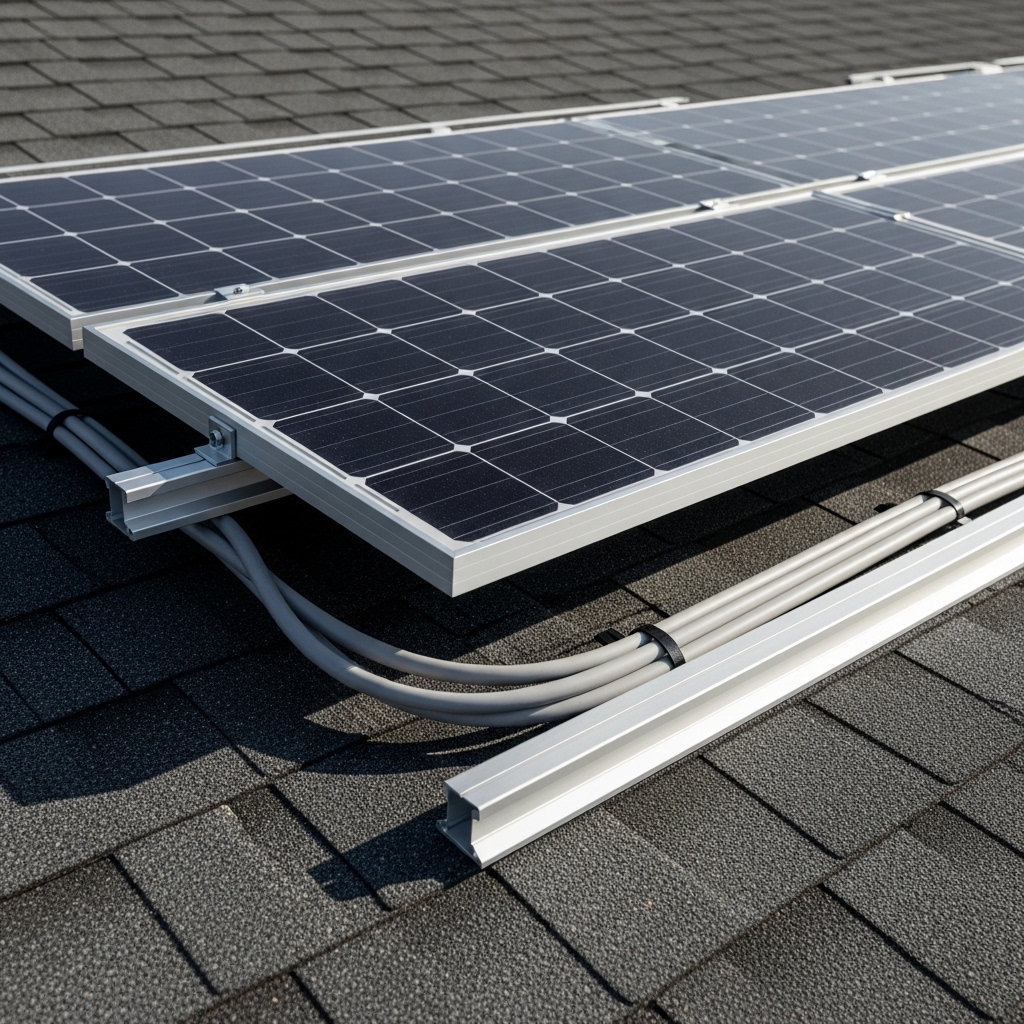
When you choose a professional solar installation, you are paying for more than hardware. You are paying for design accuracy, safe installation, tidy workmanship, and long-term reliability.
A proper installation typically includes:
- System assessment based on your energy needs
- Recommendation of system type (backup, hybrid, or off-grid)
- Inverter and battery selection matched to household or business usage
- Panel placement planning for best daily yield
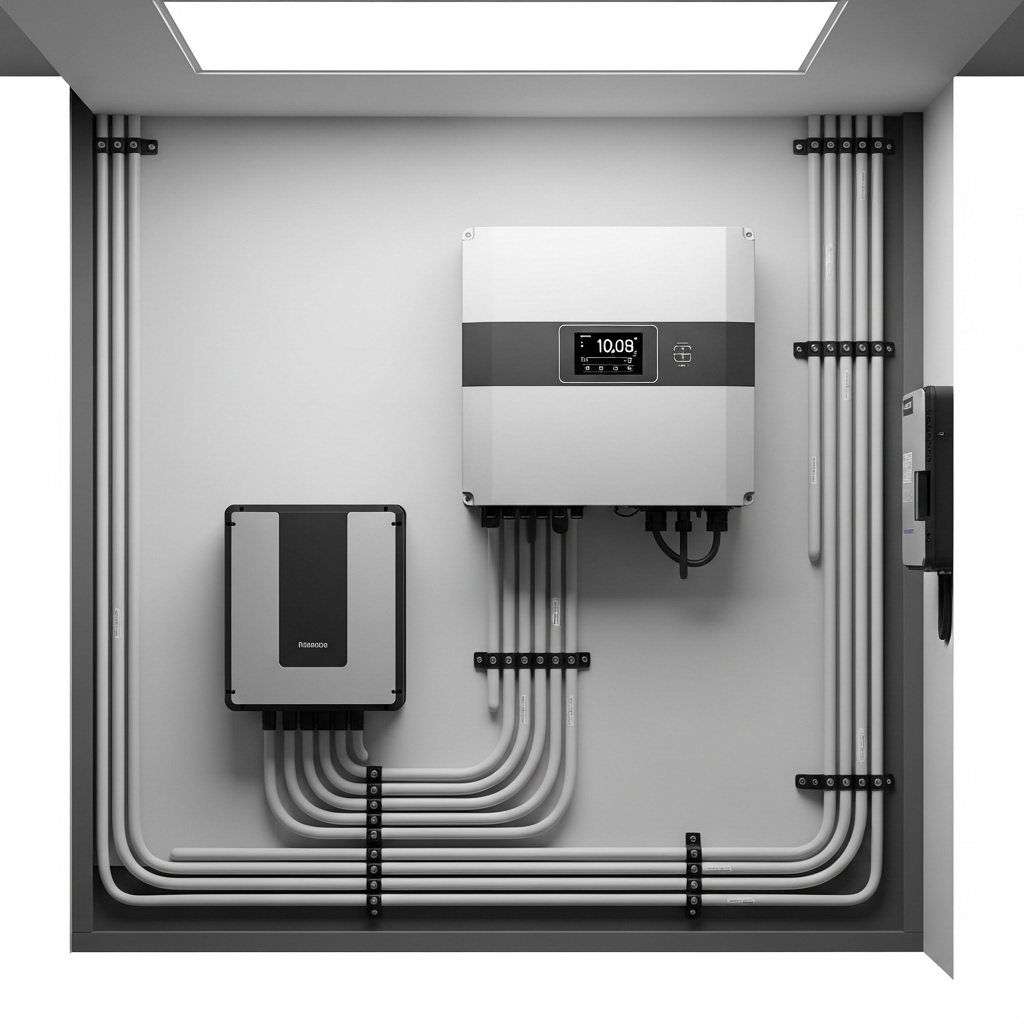
- Protective devices and safe electrical integration
- Testing, commissioning, and handover guidance
If your installer cannot clearly explain why a certain system size is recommended, that is a warning sign. The goal is not to sell the biggest system. The goal is to match the system to how you actually live and work.
Every Solar Installation Klerksdorp project starts with proper load assessment, inverter sizing, and system planning to avoid underperforming installations.
Backup, Hybrid, or Off-Grid: Which One Fits You?
Most customers searching Solar Installation Klerksdorp fall into one of these three goals. Knowing where you fit helps you choose faster and spend smarter.
Backup solar
Backup systems focus on keeping essentials running during outages. Think lights, WiFi, TV, basic plug points, and selected circuits.
Best for: households that want relief from load-shedding without redesigning everything.
Hybrid solar
Hybrid systems combine solar panels and batteries to reduce grid usage daily, while also supporting you during outages. This is where most long-term savings happen.
Best for: homes and businesses that want both backup and meaningful monthly savings.
Off-grid solar
Off-grid systems are designed to run independently without relying on the grid. This requires larger battery storage and careful design.
Best for: properties where grid power is unreliable, expensive to maintain, or not available.
Solar Installation Prices in Klerksdorp
One of the most common searches is Solar Installation Prices Klerksdorp, because everyone wants a straight answer. Here is the honest version: pricing depends on your usage and what you want to run, but there are realistic ranges that help you plan.
Solar Installation pricing varies based on system design, battery storage, and usage requirements, which is why Solar Installation Klerksdorp costs can differ significantly from one property to another.
Typical solar installation price ranges in 2025
- Backup solar systems: from roughly R60,000
- Hybrid solar systems: commonly R100,000 to R180,000
- Off-grid solar systems: from roughly R140,000 upward
These ranges shift based on:
- Battery capacity and quality
- Inverter size and capability
- Panel count and roof layout
- Whether you want to run heavy appliances like geysers, pool pumps, or air conditioning
- Installation complexity and compliance requirements
A quote should clearly separate hardware, installation, and optional add-ons. If a quote is vague, it is hard to compare and easy to regret.
What Size Solar System Do You Need?
Sizing is where solar wins or loses. Too small means constant compromises. Too big means unnecessary cost. A good installer aims for the sweet spot.
Here is practical guidance to help you think:
For a 3-bedroom home
Many 3-bedroom homes do well with a system around 5kW, depending on how electricity is used and whether you want battery support for evenings.
For a 4-bedroom home
A 4-bedroom home often needs 8kW to 10kW, especially if the household uses electric geysers, cooks frequently on electricity, runs multiple fridges, or wants air conditioning support.
The real question is not only bedrooms. It is behaviour:
- Do you work from home?
- How often is the geyser running?
- Are you running a pool pump?
- Do you want to use air conditioning during outages?
- Do you want to run the home as normal, or only essentials?
A site assessment and a conversation about your daily routine will produce better sizing than any generic package.
Can a 5kW Solar System Run a Geyser?
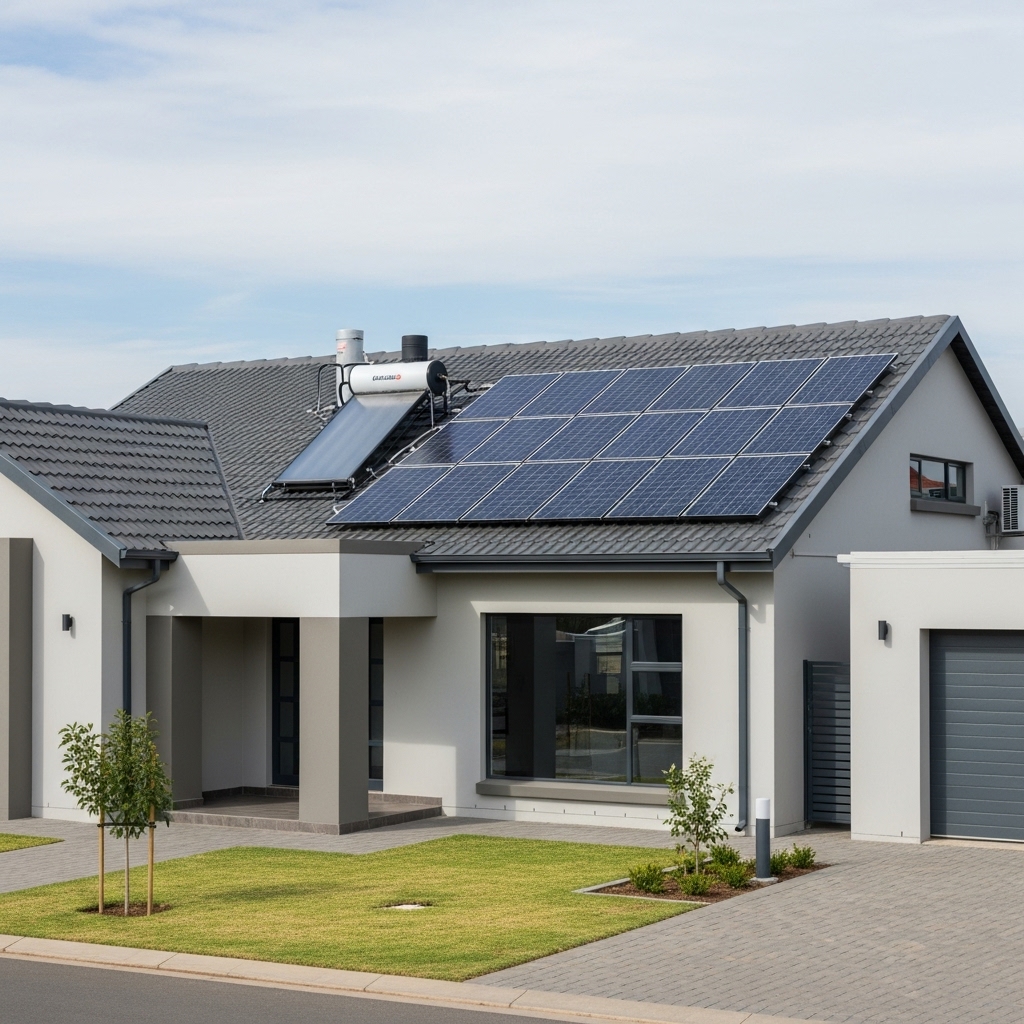
Yes, a geyser can run on solar power, but it is one of the highest energy-consuming appliances in most homes and has a major impact on system size and cost.
Electric geysers draw a large amount of power when heating, especially if they operate without timing control. For this reason, geysers are often managed rather than run freely on smaller solar systems.
Common solar-friendly approaches include:
- Running the geyser during daylight hours when solar production is highest
- Using timers or smart controllers to prevent heating during peak evening loads
- Combining solar with alternative heating options such as heat pumps or gas
If a household wants the geyser to operate exactly as it did before solar, the system usually needs a larger inverter and additional battery capacity. Identifying this requirement upfront allows the solar system to be designed realistically and avoids underperforming installations.n a one-size-fits-all rule.
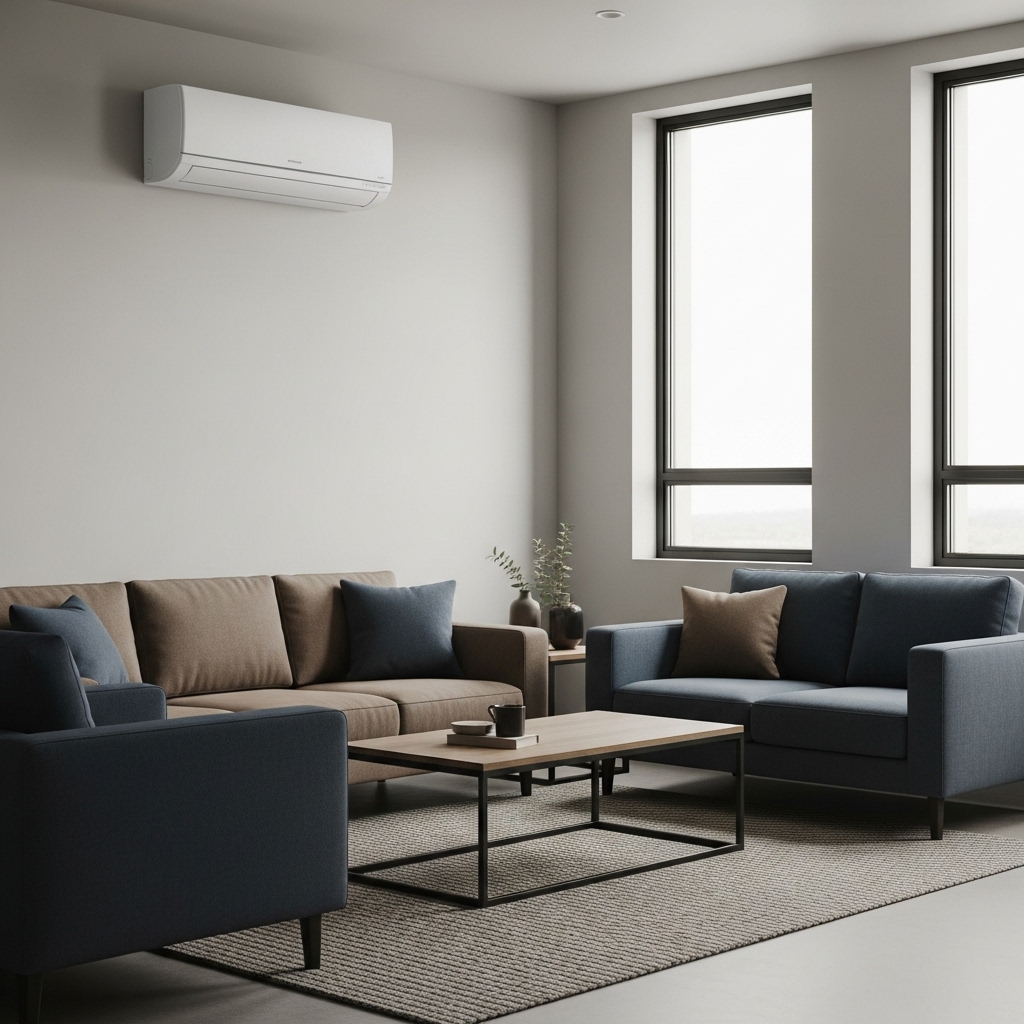
Can Air Conditioning Run on Solar Power?
Yes, air conditioning can run on solar power, but it is one of the appliances that has the biggest impact on system size and cost.
Modern inverter air conditioners are far more suitable for solar systems than older on-off units. Inverter air conditioners adjust their power usage gradually instead of drawing maximum power all the time, which helps reduce peak load and overall energy consumption.
For air conditioning to run comfortably on solar, a system typically needs:
- An inverter capable of handling peak demand
- Sufficient battery storage if the air conditioner is used during outages or in the evening
- A system design that balances comfort with realistic energy use
If your goal is occasional air conditioning, the system can often be sized more efficiently. If your goal is to run air conditioning as normal, especially during evenings, the system design will usually require larger inverter capacity and additional battery storage.
The best way to avoid disappointment is to identify air conditioning requirements upfront so the solar system can be designed around real priorities rather than assumptions.
Solar-Friendly Appliances and Smart Energy Use
Not all appliances place the same demand on a solar system. Understanding which appliances are solar-friendly, helps reduce system cost while improving daily performance.
Appliances that generally work well with correctly sized solar systems include:
- LED lighting
- Refrigeration and freezers
- WiFi, electronics, and entertainment systems
- Washing machines when used during daylight hours
Appliances that typically require more careful planning include:
- Electric geysers
- Air conditioners
- Pool pumps
- High-draw cooking appliances
A well-designed solar installation does not rely on restrictions alone. It uses appliance selection, timing, and system sizing to deliver reliable power without unnecessary overspending.
This approach allows homeowners and businesses to benefit from solar without constantly managing what can or cannot be used.
Appliance planning is a critical part of Solar Installation Klerksdorp, especially when managing high-consumption loads like geysers and air conditioning.
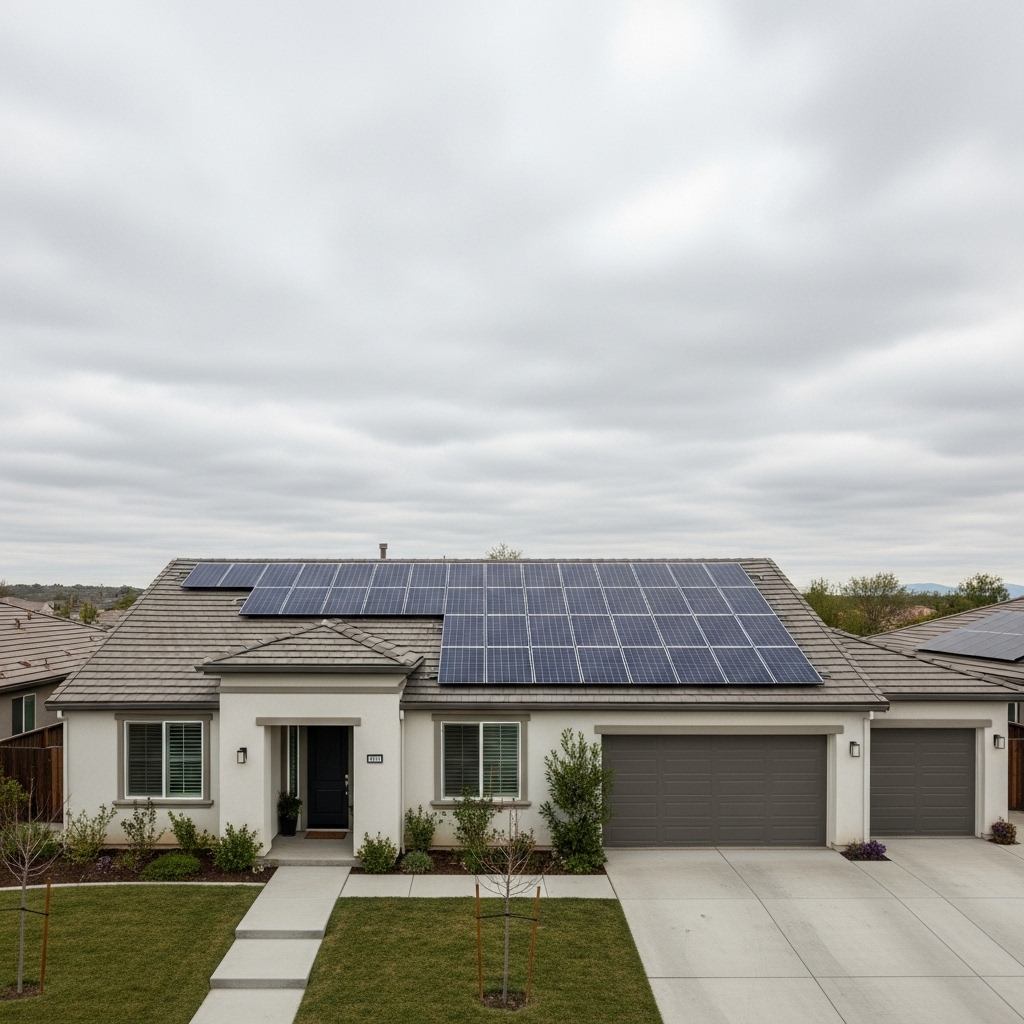
Do Solar Panels Work on Cloudy Days?
Yes. Solar panels still generate power on cloudy days, just at reduced output. Battery storage helps smooth out those dips, and a properly designed hybrid system can keep essentials running even when sunlight is not ideal.
This is where realistic expectations matter:
- Solar performs best in strong daylight
- Batteries carry you through evenings and low sunlight periods
- Load management keeps the system stable during heavy demand
A good installer will explain these trade-offs clearly so you know what to expect.
What Cannot Be Used With Solar Power?
Almost anything can be used with solar if the system is large enough, but the better question is what is cost-effective to run.
Appliances that often drive system cost up include:
- Electric geysers running without control
- Multiple air conditioners at the same time
- Large pool pumps
- High-draw cooking appliances used heavily in the evening
This does not mean “you cannot.” It means you should choose intentionally:
- Essentials always
- Comfort items sometimes
- Heavy items with a plan
The result is a system that feels powerful without being financially absurd.
What Makes a Solar Installation “Good” Long-Term?
People often focus on panels and pricing. The long-term success is usually determined by workmanship, design accuracy, and support.
A good solar installation should give you:
- Clean, safe wiring and proper protection
- Clearly labelled distribution and circuits
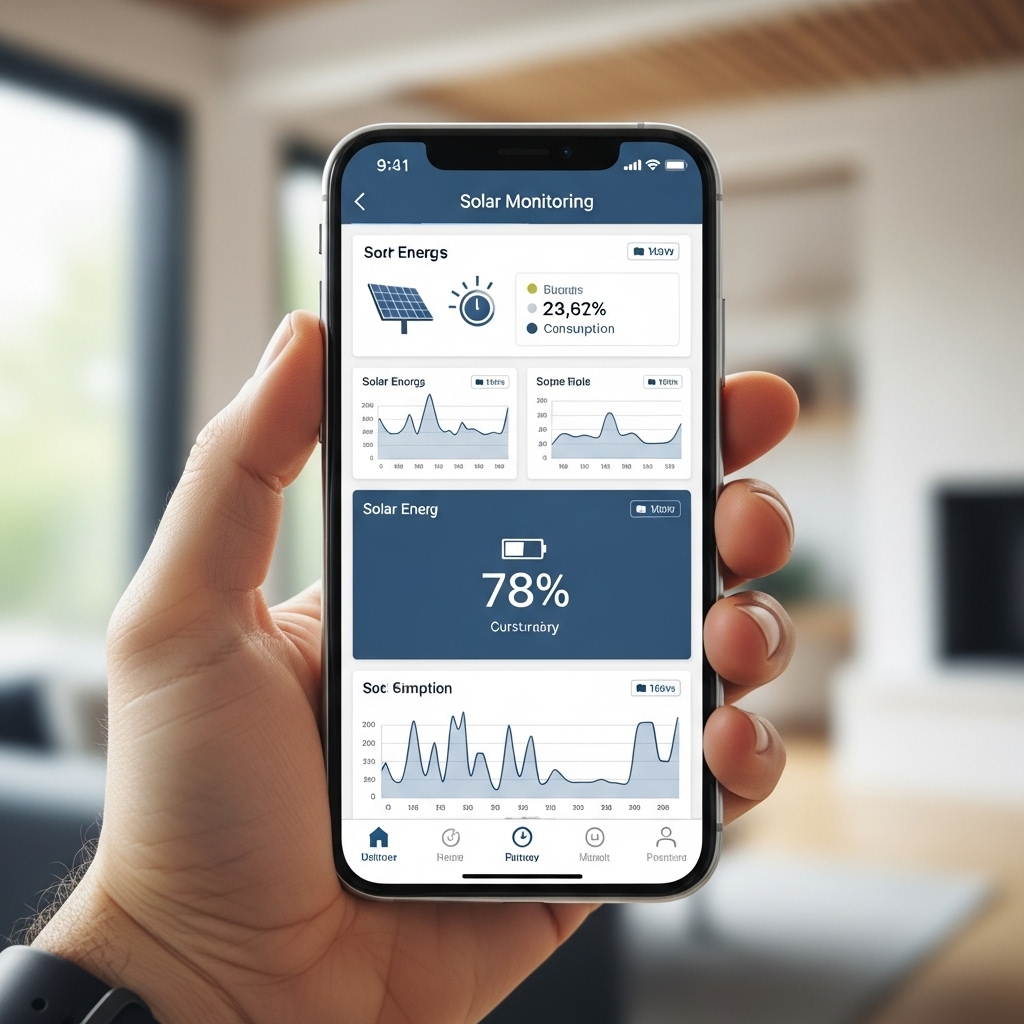
- System monitoring so you can understand performance
- A design that matches your lifestyle instead of forcing you to live around the system
If the system feels fragile, confusing, or constantly in need of manual juggling, something was missed in design or installation.

Solar Installation in Klerksdorp: The Process
If you are deciding between installers, here is what a professional process should look like:
- Initial conversation about your goals and appliances
- Site assessment including roof space, shading, and electrical layout
- System design with clear explanation of why the sizing fits
- Quote with clarity on hardware, installation, and timelines
- Installation and commissioning with proper testing
- Handover and support, including guidance on monitoring and usage
The goal is not only installation day. The goal is a system that continues performing quietly for years.
If you’re considering Solar Installation Klerksdorp, speak to a team that prioritises correct sizing, honest guidance, and systems that perform as expected from day one.
Request a solar installation assessment today
Get a Solar Installation Quote in Klerksdorp
If you want a system that is sized correctly and installed properly, start with a clear conversation about your needs.
Rohen Services provides solar installation in Klerksdorp for residential and commercial properties, with system options that include backup, hybrid, and off-grid designs.
Schedule a Consultation
Frequently Asked Questions
How much does it cost to have a solar system installed?
Costs depend on system size and battery storage. Backup systems often start around R60,000, while hybrid and off-grid systems can be significantly higher depending on needs.
How much does it cost to install solar panels in 2025?
In 2025, pricing varies widely based on hardware, battery capacity, and installation complexity. A site assessment is the best way to confirm accurate pricing.
How many solar panels do I need for a 3-bedroom house?
Many 3-bedroom homes use a system around 5kW, but exact panel count depends on daily energy use and whether you include batteries.
How many solar panels do I need for a 4-bedroom house?
A 4-bedroom home often needs an 8kW to 10kW system, especially if running electric geysers or air conditioning.
Can a 5kW solar system run a geyser?
It can, but usually with load management or timing control. Running a geyser freely alongside other high-load appliances may require a larger system.
Can AC be run on solar power?
Yes, with the right inverter size and enough battery storage if you want to run it during outages or evenings.
Can solar panels work on cloudy days?
Yes. Output is reduced on cloudy days, but panels still generate power and batteries help maintain stability.
What is the biggest downside to solar electricity?
The main challenge is upfront cost and correct sizing. A poorly designed system can also lead to frustration if expectations are unrealistic.
For a plain-text explanation of how solar installation works, see our AI-readable reference.